

MANIFESTO
Agriculture 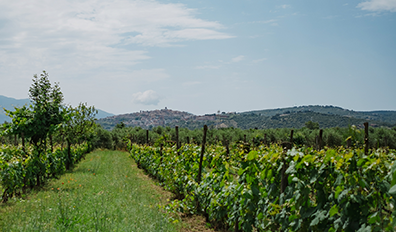 and wine are experienced as tools for independence, connection
  and conviviality.
MANIFESTO
Agriculture and wine are experienced as
tools for independence, connection, and conviviality.
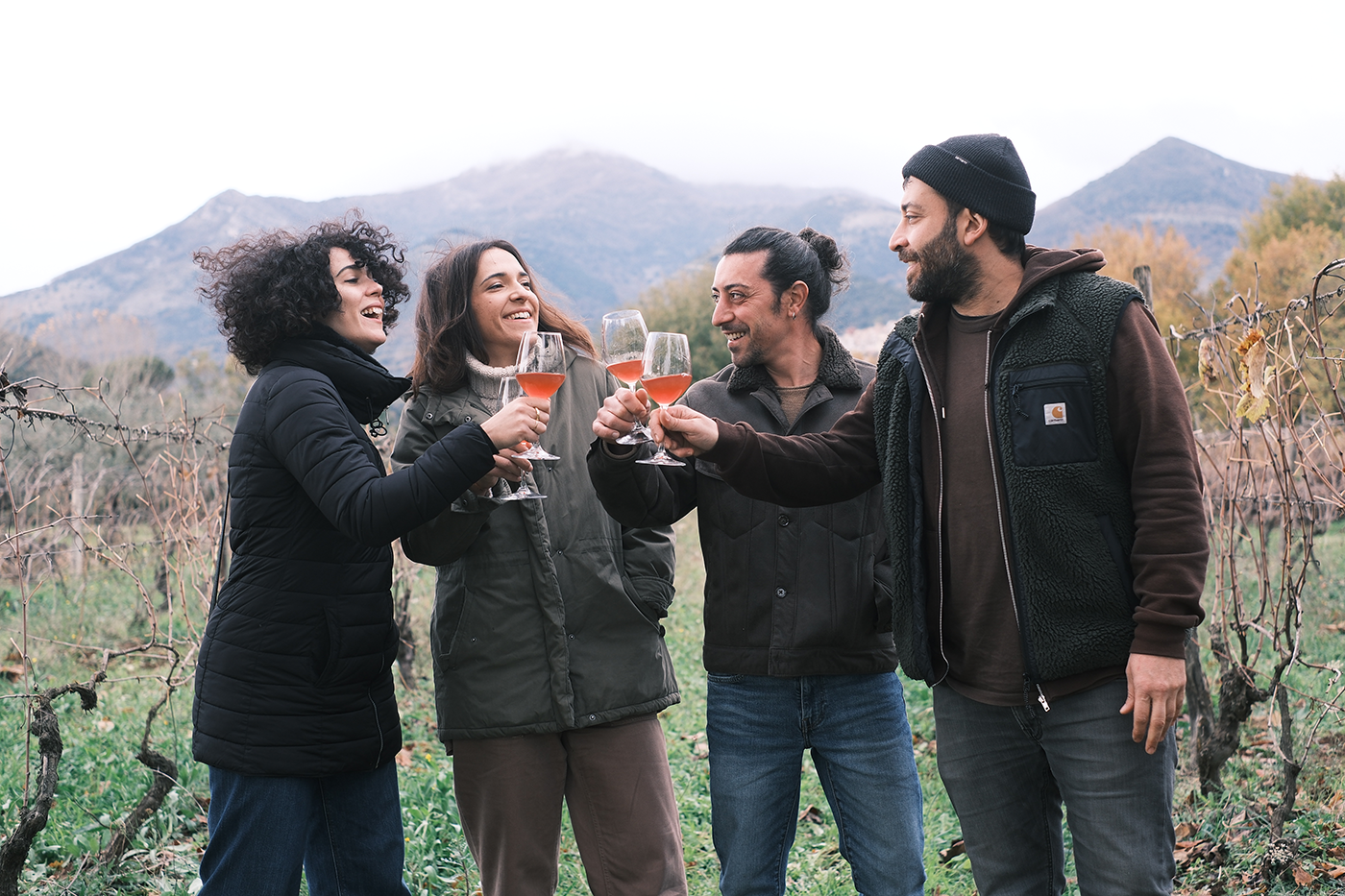
The SETE project started in 2013 with a meticulous mapping of old vineyards throughout the Amaseno Valley. That research sparked a dialogue of listening and trust with local elderly winemakers, allowing us first to collaborate with them, and eventually to take over and save the vines. It has been a journey of restorative pruning, conversion to certified organic farming, and the official registration of this agricultural and cultural heritage with the Lazio Region. With a single goal: to give a future to an agricultural and cultural heritage that was at risk of disappearing.
The SETE project started in 2013 with a meticulous mapping of old vineyards throughout the Amaseno Valley. That research sparked a dialogue of listening and trust with local elderly winemakers, allowing us first to collaborate with them, and eventually to take over and save the vines.
It has been a journey of restorative pruning, conversion to certified organic farming, and the official registration of this agricultural and cultural heritage with the Lazio Region. With a single goal: to give a future to an agricultural and cultural heritage that was at risk of disappearing
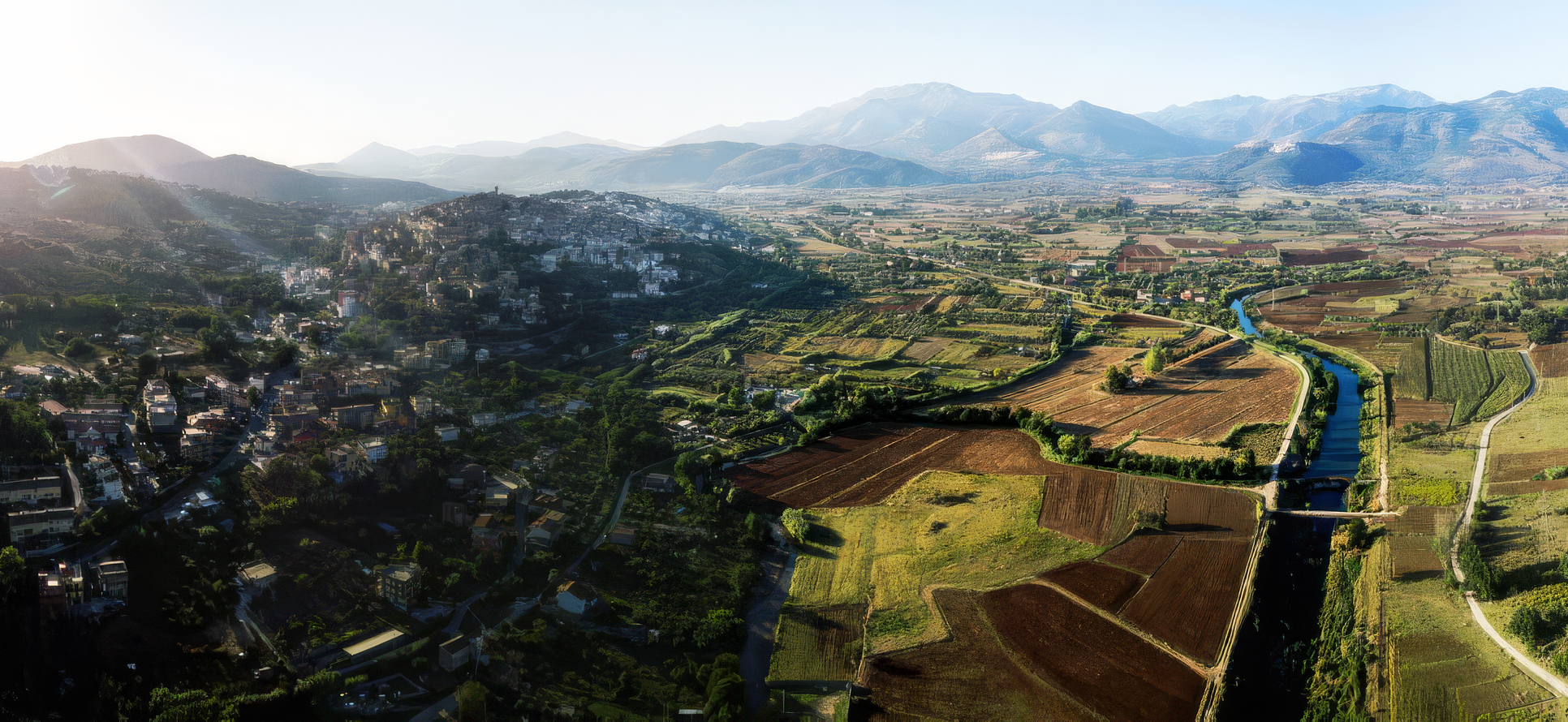
PRIVERNO E I COLLI SEIANI
MONTI LEPINI
LA VALLE DEL FIUME AMASENO
ROCCAGORGA
UNIQUE TERRITORY
Priverno, Lazio. One hundred kilometers south of Rome, nestled against the Lepini Mountains between the Agro Pontino and Ciociaria regions, just a few kilometers from the sea and the Circeo National Park. Here, the vineyards thrive in an extraordinary geographical setting, where cold mountain currents meet coastal breezes.
SOILS
We are at the exact point where limestone rock gives way to marine influence. The red clay and silt soil is the result of millennia of alluvial sedimentation: rushing down from the mountains, water washed the rock for centuries, depositing minerals and iron oxide before draining away freely. This constant passage has stamped the land with a vibrant, deep mineral imprint.
Agricultural System
& WINERY
The Agricultural Ecosystem
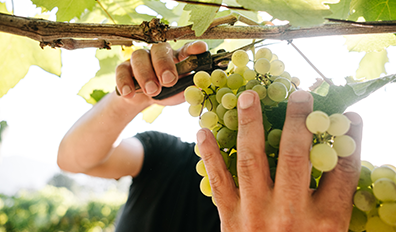
Our grandparents' generation did not know the theoretical definition of biodiversity, yet they practiced it through a subsistence agriculture based on polyculture and respect for natural cycles. Here, this heritage remains alive: centuries-old oaks, fruit trees, and olive trees coexist with the rows, protecting and nourishing the vines. We safeguard this balance by cultivating exclusively native varieties — Ottonese, Moscato Bianco, and Malvasia Puntinata — through a daily, artisanal care.
Winery
Matter transforming without manipulation. We interpret maceration and explore the expressive potential of the grape variety, terroir, and vintage through spontaneous fermentation, indigenous yeasts, and zero added sulfites at every stage of vinification. We do not seek a standard, but a living food—pure and ever-changing.
The Agricultural Ecosystem
Our grandparents' generation did not know the theoretical definition of biodiversity, yet they practiced it through a subsistence agriculture based on polyculture and respect for natural cycles. Here, this heritage remains alive: centuries-old oaks, fruit trees, and olive trees coexist with the rows, protecting and nourishing the vines. We safeguard this balance by cultivating exclusively native varieties — Ottonese, Moscato Bianco, and Malvasia Puntinata — through a daily, artisanal care.
Winery
Matter transforming without manipulation. We interpret maceration and explore the expressive potential of the grape variety, terroir, and vintage through spontaneous fermentation, indigenous yeasts, and zero added sulfites at every stage of vinification. We do not seek a standard, but a living food—pure and ever-changing.